
A good cannabis drink should offer more than a high THC number on a label. For people researching an ultra strong thc drink, the more useful questions involve potency, serving size, flavour, ingredients, onset time, and how the product fits into a responsible setting. Understanding these details makes it easier to compare beverages without treating strength as the only measure of quality.
Strength tells only part of the story
THC, or tetrahydrocannabinol, is the compound in cannabis responsible for intoxicating effects. With beverages, the amount of THC in a serving can vary considerably, making the label one of the first things a consumer should examine.
A product containing a larger amount of THC is not automatically a better choice. Higher potency can also mean stronger impairment and a greater chance of uncomfortable effects, particularly for someone with little experience with cannabis.
Serving size matters just as much. A can may contain multiple servings, so checking the total THC alongside the THC per serving gives a clearer picture of what is actually being consumed.
Consumers should also pay attention to whether the stated amount applies to the entire container or an individual serving. That small distinction can prevent a significant misunderstanding.
Why drinks can feel different from smoking
Cannabis beverages are consumed rather than inhaled, so their effects do not necessarily appear immediately. Edible cannabis products, including drinks, can take around 30 minutes to two hours to produce noticeable intoxicating effects, according to the Centers for Disease Control and Prevention.
That delay can encourage someone to consume more before the first serving has fully taken effect. Doing so can result in stronger and longer-lasting effects than expected.
A measured approach makes more sense. Follow the product label, give the drink time to take effect, and avoid treating a delayed onset as evidence that the product is not working.
The experience can also vary from person to person. Previous cannabis experience, individual biology, the amount consumed, and other substances used at the same time can all influence how THC affects someone.
Flavour deserves more attention than it gets
THC may be the reason someone notices a cannabis beverage, but flavour determines whether the drink is actually enjoyable.
A well-made beverage should taste like a drink first rather than simply carrying an overpowering cannabis flavour. Citrus, berries, tropical fruit, herbs, tea-inspired profiles, and other flavour combinations can create very different drinking experiences.
Sweetness also matters. Excessive sugar can overwhelm delicate flavours, while a very dry profile may not suit every palate. Carbonation, acidity and aroma contribute to the overall character of the drink as well.
Consumers comparing products can therefore look beyond THC content and consider the ingredients used to create the flavour. A simple ingredient list can also make it easier to understand what is actually in the can or bottle.
What should consumers check on the label?
A few details can make product comparisons much easier:
- THC per serving: Shows the amount of THC associated with one serving.
- Total THC: Indicates how much THC is contained in the full package.
- Serving information: Clarifies whether the container represents one serving or several.
- Ingredients: Helps identify sweeteners, flavourings and other components.
- Cannabinoid information: Shows whether the drink contains THC alone or additional cannabinoids.
- Manufacturer information: Provides a way to identify the company responsible for the product.
- Usage and storage instructions: May include information about serving, age restrictions and keeping the product away from children.
Clear labelling is especially useful for consumers who want to compare several beverages without relying on marketing language.
The brewery-style approach to cannabis beverages
Cannabis drinks sit at an interesting intersection between beverage craftsmanship and cannabinoid products. That creates room for experimentation with flavour, carbonation, formulation and presentation.
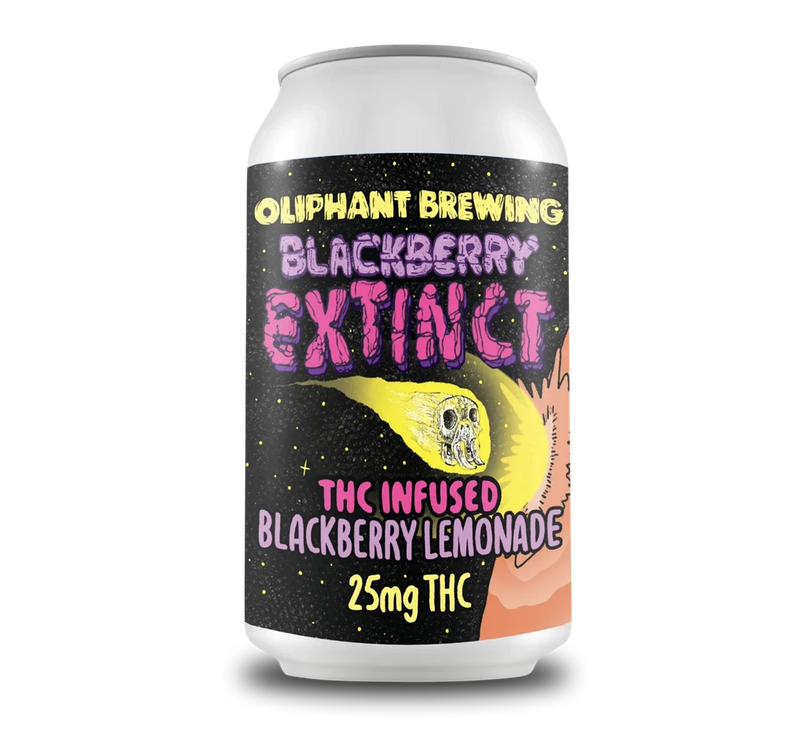
Oliphant Brewing illustrate the kind of beverage-focused thinking that can shape this category, where the drink itself remains part of the experience rather than simply serving as a vehicle for THC.
For consumers, this means paying attention to both sides of the product. Potency answers one question, but taste, formulation and presentation answer others.
A drink that has a strong cannabinoid profile but an unpleasant flavour may not provide the experience a consumer expects. Likewise, a flavourful beverage still needs clear information about its THC content so consumers can make informed decisions.
Responsible use starts before the first sip
THC can affect attention, coordination, decision-making and perception. For that reason, cannabis beverages should be treated differently from ordinary soft drinks or sparkling beverages.
Anyone consuming a THC beverage should plan around the possibility of impairment. Driving after cannabis use is not safe, and combining cannabis with alcohol can increase impairment.
Storage also matters. THC beverages should be kept securely away from children and pets. Their appearance can resemble ordinary drinks, which creates a risk of accidental consumption if they are left within easy reach.
People who are pregnant or breastfeeding should avoid cannabis products, including those containing THC, based on guidance from the FDA.
Knowing the legal requirements in the area where the product is purchased or consumed is another part of responsible use. Cannabis laws and product rules differ by jurisdiction, so consumers should check current local requirements rather than assuming that rules are the same everywhere.
Is a stronger drink always the better option?
Not necessarily.
A higher THC concentration changes the intensity of the product, but it does not automatically improve flavour, craftsmanship or overall drinking experience. Someone comparing beverages may get more useful information by considering the full product profile.
For example, two drinks could contain different THC concentrations but appeal to entirely different consumers because of their serving sizes, flavour profiles and intended occasions.
This is also why product labels deserve more attention than bold claims on the front of the package. The back label often provides the information needed to make a sensible comparison.
A better way to compare cannabis beverages
Rather than choosing a drink solely because it has the highest THC content, consider four areas together: potency, flavour, formulation and transparency.
Potency indicates the amount of THC being consumed. Flavour determines whether the beverage is enjoyable. Formulation provides insight into the ingredients and cannabinoid profile. Transparency shows whether the producer clearly communicates serving information and product details.
That combination gives consumers a more useful basis for comparison than a single number.
The cannabis beverage category is also broad enough to accommodate different preferences. Some people may prioritise flavour and a lower serving strength, while experienced consumers may specifically research products with higher THC concentrations. Personal tolerance, local laws and individual circumstances should always be considered.
For those researching products, taking a few extra minutes to read the label can prevent many common mistakes. Check the serving size, understand the THC amount, allow sufficient time for effects to develop, and keep the beverage away from situations where impairment could create a safety risk. For product information, availability, or further questions about beverage options, contact us today to learn more.
A THC beverage can be an interesting addition to the wider beverage market, but its appeal should not be reduced to potency alone. Taste, clarity, responsible consumption and informed decision-making all have a place in choosing what belongs in the glass.